

Many homeowners and designers now place a high value on developing appealing and resilient outdoor areas. For their attractiveness and durability, natural materials are preferred. Adding wood components may turn any garden or yard into an inviting and useful space. Proper decisions transform outdoor surroundings into both useful and artistically appealing ones.
More and more people seek means of integrating design with nature in their outside spaces. Whether it is a small backyard or a massive garden, using genuine, natural materials gives a sense of warmth and timelessness. Moreover, sustainable solutions that recycle and reuse materials are gaining popularity among those who want to protect the environment while enhancing their surroundings.
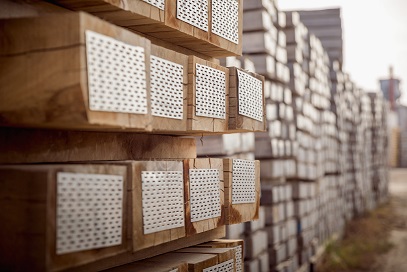
Among the choices presented, railway sleepers stand apart as a flexible choice. Their rustic appeal and strong construction fit many different landscaping needs. From building staircases or garden furniture to edging flower beds, these wooden beams have great appeal and toughness. Favorites for professionals as well as DIY aficionados, they are also simple to work with.
Benefits of using wood in landscaping and design
Naturally complements the outside surroundings, wood is a material. Beyond its aesthetic, it has several benefits. Properly treated wood can resist fluctuations in temperature, rain, and sunshine as well as varying weather conditions. Its longevity makes it suited for both cosmetic and structural gardening uses.
Another great feature is customization. From traditional to modern patterns, wood may be stained, painted, or carved to fit any garden theme. This flexibility lets homeowners and landscapers customize their designs to match individual preferences and particular outdoor environments.
Apart from these advantages, wood promotes sustainable practices. Employing responsibly acquired or reclaimed timber supports environmental initiatives. These are some usual ways wood improves gardens:
- Retaining walls and developing natural boundaries
- Creating planters and elevated garden beds
- Designing pergolas, gazebos, and outside seating
- Developing routes and stages that fit naturally with the land
- Crafting unique garden art and decorative features.
How to select and care for outdoor wood elements
Selecting the appropriate wood and making sure it is properly treated are the first crucial phases in any outdoor project. Wood left open to pests or moisture without protection degrades rapidly. Choosing railway sleepers treated against insects and rot is essential for lifespan.
The key is also maintenance. Regular inspections, reapplication of protective coatings, and cleaning keep wood looking beautiful and working. Avoiding water from accumulating near wooden buildings helps to stop rot and extend life. Furthermore, safeguarding the wood from deterioration and lowering moisture accumulation by means of correct ventilation surrounding wooden components.
Moreover, using wood on well-draining surfaces or off the ground can help to minimize moisture damage. Over time, little maintenance, including tightening screws or replacing broken components, helps to preserve safety and appearance. With good maintenance, wooden components can survive for years and keep improving outdoor areas. Frequent maintenance, such as reapplication of protective coatings, can help to prolong the life of wooden outside structures even further. Additionally, guaranteeing joints are sealed guarantees they continue in top form even when subjected to the weather.
Creative ideas for incorporating wood in your garden
Encouraging creativity in landscape, wood offers several design options. Beyond convention, it might find application in creative initiatives that combine space and flair. Vertical wooden constructions provide visually striking and space-efficient, brilliant green walls.
Comfort and flair are brought to patios and gardens by wooden swings, tables, and benches. These components encourage people to unwind and appreciate the outside. Railway sleepers may be used to construct practical garden buildings like compost bins, equipment sheds, or planter boxes as well. In addition to their practicality, railway sleepers can also be used to create raised garden beds, offering better soil drainage and easier access to plants. Their sturdy nature makes them perfect for building long-lasting structures that blend seamlessly with the natural environment, adding both function and visual appeal.
Some motivating ideas to think on follow:
- Building multi-level planting terraces for a vibrant garden design
- Installing wooden walkways to connect different garden zones
- Building custom-made garden furniture to match personal style
- Creating outdoor lighting mounts or decorative frames
- Designing playful spaces for children with wooden elements.
The value of wood in outdoor spaces
Wood provides both visual and functional advantages when added to outside designs. It encourages outdoor spending by building pleasant, natural surroundings. Well-selected wood pieces add texture, warmth, and character that go nicely with flora and natural surroundings.
Selecting materials like railway sleepers guarantees durability and quality, making them a sensible investment for any gardening plan. Their adaptability fits several garden shapes and sizes and offers infinite design possibilities.
Homeowners may have lovely and useful outside areas for years to come by using wood responsibly and keeping it properly. A classic alternative combining modern outdoor living needs with traditional values, wood is always popular.
Wood’s capacity to combine smoothly with other materials like stone or metal also improves its versatility in many outdoor contexts. Whether employed for edging, decking, or custom features, wood provides a natural appearance that suits both rustic and contemporary designs. With good maintenance, wooden components continue to develop with the landscape, adding charm and worth.


