Understanding Trigeminal Neuralgia
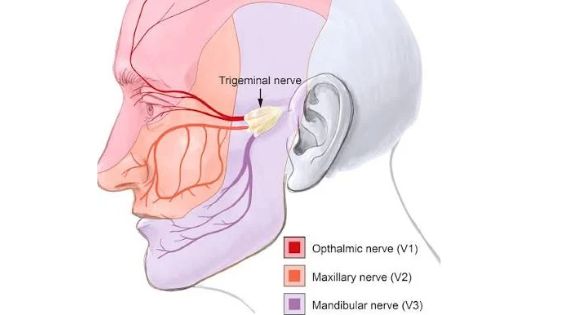
Trigeminal neuralgia is a neurological condition characterized by sudden, severe facial pain that can feel like an electric shock, a stabbing sensation, or a sharp, burning discomfort. The pain typically affects areas supplied by the trigeminal nerve, including the cheeks, jaw, teeth, and forehead. Everyday activities such as speaking, chewing, brushing teeth, or washing the face can sometimes trigger painful episodes. Understanding the condition and seeking timely medical attention are important first steps toward living a normal life with Trigeminal Neuralgia. With an appropriate diagnosis and an individualised management plan, many patients can reduce how symptoms affect their daily routines.
Recognizing Symptoms and Identifying Triggers
Trigeminal neuralgia can affect people differently, with pain episodes ranging from brief attacks to frequent, debilitating sensations. Some individuals experience pain on one side of the face, while others may notice recurring episodes triggered by gentle touch, cold air, eating, or talking. Identifying personal triggers can help patients prepare for everyday activities and communicate more effectively with their healthcare providers. Keeping a symptom diary that records the duration, intensity, frequency, and possible triggers of pain may also help specialists evaluate the condition and adjust treatment when necessary.
Finding the Right Specialist for Treatment
An accurate diagnosis is essential because facial pain can arise from dental problems, sinus conditions, migraines, and other neurological disorders. Consulting the best Trigeminal Neuralgia specialist in India can help patients understand the cause of their symptoms and explore appropriate treatment options. Assessment may involve a detailed medical history, neurological examination, and magnetic resonance imaging (MRI) when indicated. These investigations can help identify possible nerve compression or other underlying causes. A specialist can then develop a treatment strategy based on symptom severity, medical history, previous responses to medication, and individual health considerations.
Exploring Treatment Options and Pain Management
Medication is often the initial treatment for trigeminal neuralgia, with certain anticonvulsant medicines commonly prescribed to control nerve-related pain. Patients should take prescribed medication as directed and consult their doctor before making any changes. When medication becomes ineffective or causes troublesome side effects, additional approaches may be considered. These can include microvascular decompression, stereotactic radiosurgery, or percutaneous procedures, depending on the patient’s diagnosis and suitability. Effective pain relief for Trigeminal Neuralgia requires careful evaluation, realistic expectations, and ongoing communication with a qualified medical professional. No single treatment works equally well for every patient.
Is a Complete Cure Possible?
Patients frequently wonder whether treatment can permanently eliminate their symptoms. The possibility of a cure of Trigeminal Neuralgia depends on the underlying cause, the treatment selected, and individual medical circumstances. Some patients experience prolonged relief following appropriate medical or surgical treatment, while others may require continued management or experience recurring symptoms. Microvascular decompression may provide substantial and lasting relief for selected patients with nerve compression, although it involves surgery and carries potential risks. Other procedures may reduce pain but can cause facial numbness or other complications. A specialist can explain the likely benefits, limitations, and risks of each option before treatment decisions are made.
Practical Tips for Everyday Living
Simple adjustments may help patients manage daily activities more comfortably. Eating foods at a comfortable temperature, choosing softer meals during painful periods, protecting the face from cold wind, and maintaining a gentle oral hygiene routine may reduce exposure to individual triggers. Adequate sleep, balanced nutrition, and stress-management practices can support general well-being, although they do not replace medical treatment. Patients should avoid unnecessary restrictions and instead find manageable ways to maintain their usual routines. Emotional support from family, friends, or a counsellor may also help individuals cope with the uncertainty and distress associated with recurring facial pain.
Moving Forward with Confidence
Trigeminal neuralgia can be challenging, but an accurate diagnosis and appropriate treatment can make a meaningful difference. Regular follow-up appointments let specialists monitor symptoms, assess treatment effectiveness, and address new concerns. Patients experiencing persistent facial pain should seek professional assessment rather than relying on self-medication or unverified remedies. With individualized care, practical lifestyle adjustments, and a clear understanding of available treatments, many people can regain greater confidence in managing their condition and pursuing their personal and professional goals.