

Morning dispatch can turn chaotic fast. Orders arrive in waves, drivers call with questions, and customers expect tight windows. If routes are built by gut feeling, small delays stack up. The team spends the day reacting instead of moving. A clear plan at the start protects time, fuel, and the mood of everyone on shift.
Clarity starts with the basics: accurate stops, realistic service times, and a quick check of constraints like vehicle capacity. When those inputs are clean, decisions become simple. The dispatcher can focus on exceptions, not on manual sorting. Drivers also feel the difference, because they get instructions that match the real streets.
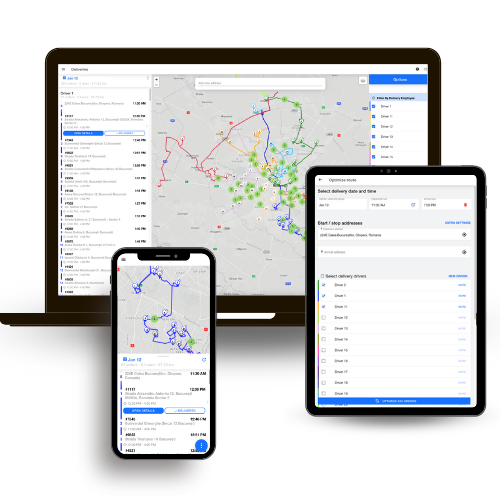
For teams that want that calm from the first hour, delivery routing software helps turn a list of stops into an organized day. It reduces the back-and-forth that eats minutes and attention. With a stable route in hand, drivers can start confidently, and managers can track progress without guessing, even on busy days.
Time windows and priorities stay under control
A good plan is not only about shorter distance. It is about meeting promises. Some customers need a fixed slot, others allow flexibility, and some deliveries require signatures or special handling. When priorities are mixed, the schedule can drift. A structured approach keeps the highest impact tasks from being pushed to the end.
This is where delivery route planning software becomes useful, because it can balance constraints without endless manual edits. Instead of rebuilding routes after each change, the team can adjust and re-optimize. That means fewer late arrivals and fewer apologies. It also supports better customer updates, since ETAs are based on a plan, not hope.
To keep priorities visible, a simple checklist helps. It keeps the day flexible without losing control when something changes mid-shift:
- lock critical time windows first, then fill the gaps
- group nearby stops that share similar handling needs
- leave a small buffer for traffic, loading, and short calls
Drivers stay focused when tools fit the job
In last-mile work, drivers need directions that are easy to follow, not complicated spreadsheets. When instructions are unclear, they waste time parking, calling dispatch, or circling a block. The right courier routing software supports the driver with a clear sequence and practical guidance, so the route feels like a steady rhythm, not a puzzle.
Consistency also helps safety and service. Drivers who are not rushed make fewer mistakes, and they interact better with customers. A route that respects realistic service time reduces stress in the middle of the day. Over a week, that lowers turnover, because the job feels manageable, even when volume rises.
Small operational habits can support that driver experience, especially during peak hours. That saves energy and reduces wrong turns:
- confirm addresses and notes before the first departure
- mark failed deliveries with a reason, not a vague status
- review the last stops, so no one ends the day in a rush
Fewer surprises mean better costs and better feedback
Route chaos shows up in costs first. Extra kilometers add fuel spend, idle time adds labor cost, and missed windows create refunds or re-deliveries. Even if each issue seems small, the month-end numbers reveal the pattern. When routing is stable, the team can predict daily capacity and plan staffing with less risk.
Customers notice stability too. When deliveries arrive in the promised window, support tickets drop. When ETAs are accurate, people wait less and complain less. That feedback loop matters, because it protects brand trust. A smoother delivery day is not only an internal win, it is part of the customer experience.
A practical way to improve is to review one route set each week. Look for repeated slow stops, confusing access points, and time windows that are too tight. Then adjust the input data, not just the route. Over time, those small fixes improve reliability more than dramatic changes, week after week.
Growth feels lighter when routing can scale
As volume grows, the manual approach breaks first. New drivers need onboarding, new zones need rules, and peak days create pressure. A scalable routing process helps the operation expand without losing quality. It also supports experiments, like adding evening routes or testing new service areas, without turning dispatch into a fire drill.
Scaling also means clearer communication between roles. Dispatch, drivers, and customer support should share the same view of the day. When everyone sees the same plan and the same updates, fewer messages are needed. That reduces noise and gives time back to the team, especially during peak hours on busy weeks.
The best sign that the system fits is the end of day feeling. Drivers finish without panic, dispatch closes the board without a pile of open issues, and customers get what they expected. When routing is organized, growth stops feeling like chaos and starts feeling like progress for the whole team.


