

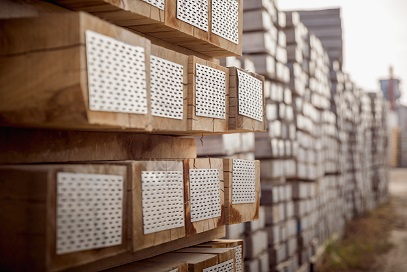
The railway industry has evolved significantly over the years, with constant advancements in track design, materials, and technology. However, one element has remained a staple in railway infrastructure for centuries: wooden railway sleepers. Despite the introduction of concrete and steel alternatives, wooden sleepers continue to be a preferred choice in many railway projects worldwide.
The durability of wooden sleepers
Wood has been used in railway construction for hundreds of years, and for good reason. Wooden sleepers are incredibly durable and can withstand extreme weather conditions.
- Unlike concrete sleepers, which can crack under excessive weight or temperature changes, wooden sleepers have a natural ability to absorb pressure and impact.
- Wooden sleepers are resistant to corrosion and rust, which makes them ideal for railway tracks exposed to high humidity or harsh environmental conditions.
- With proper treatment and maintenance, wooden sleepers can last for decades, making them a cost-effective choice for railway projects.
Wooden sleepers provide flexibility
One of the biggest advantages of wooden sleepers is their flexibility. Unlike concrete or steel alternatives, wooden sleepers can easily adapt to the natural expansion and contraction of railway tracks.
- Wooden sleepers absorb vibrations and reduce track stress, preventing structural damage.
- They offer better elasticity, which is essential for maintaining track stability in areas with frequent temperature changes.
- The natural flexibility of wood ensures that train rides remain smooth and comfortable, reducing wear and tear on both the tracks and rolling stock.
Cost-effectiveness of wooden sleepers
When it comes to large-scale railway projects, cost is always a major factor influencing decision-making. Among the various options available, wooden sleepers stand out as one of the most cost-effective solutions. Their affordability, ease of installation, and long-term benefits make them a preferred choice for many railway companies worldwide.
One of the primary reasons wooden sleepers are more economical is their lower production cost. Compared to concrete or steel sleepers, which require energy-intensive manufacturing processes, wooden sleepers are made from readily available natural resources. This significantly reduces overall production expenses, making them an attractive option for budget-conscious railway projects.
Beyond their initial affordability, wooden sleepers also contribute to cost savings over time. Unlike concrete sleepers, which can develop cracks and require expensive repairs, wooden sleepers are more resilient to minor structural stress. With proper treatment, they can last for decades while requiring minimal maintenance. This durability translates into reduced long-term expenses for railway operators, helping them optimize their infrastructure budgets.
Another key financial advantage
Another key financial advantage of wooden sleepers is their lightweight nature. Unlike concrete sleepers, which are heavy and require specialized equipment for transportation and installation, wooden sleepers are easier to handle. This reduces transportation costs and speeds up the installation process, further cutting down labor and machinery expenses. For large railway projects, these cost savings can accumulate significantly.
Moreover, wooden sleepers offer an excellent balance between affordability and performance. They provide sufficient strength and stability for various railway applications while maintaining flexibility to absorb vibrations, reducing wear on tracks and rolling stock. This efficiency makes them a practical choice for rail networks seeking both cost-effective and reliable solutions.
Better compatibility with different track systems
Railway networks vary significantly depending on location, climate, and the type of trains being used. Wooden sleepers are highly adaptable and compatible with different track systems, including:
- High-speed railways
- Freight train tracks
- Metro and tram systems
- Rural and industrial railway lines
This versatility makes wooden sleepers a go-to choice for railway projects across different terrains and regions.
Wooden sleepers are the best choice
Despite advancements in railway technology, wooden sleepers remain one of the best choices for rail track construction. They offer durability, flexibility, cost-effectiveness, and environmental benefits while maintaining a smooth and stable railway system.
Railway companies, engineers, and contractors looking for a reliable, long-lasting, and eco-friendly solution should continue to invest in wooden sleepers. Whether you’re upgrading an existing railway line or constructing a new one, wooden sleepers provide unmatched advantages that contribute to the efficiency and sustainability of modern rail transport.


