As people age, bones naturally become weaker, making seniors more vulnerable to fractures, particularly in the spine. A spinal compression fracture can occur even after a minor fall, sudden movement, or sometimes without any noticeable injury due to osteoporosis. These fractures can lead to severe back pain, reduced mobility, loss of height, and a decline in overall quality of life. Fortunately, modern medical procedures such as vertebroplasty and kyphoplasty have transformed the treatment of spinal compression fractures, helping elderly patients recover faster and return to their daily activities with less pain.
Understanding Spine Compression Fractures
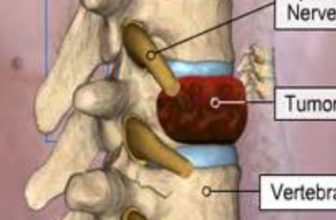
A spine compression fracture occurs when one or more vertebrae collapse due to excessive pressure. Osteoporosis is the leading cause of these fractures in older adults because it weakens the bones over time. In some cases, spinal fractures may also result from trauma, cancer affecting the bones, or other medical conditions that reduce bone strength.
Common symptoms include sudden back pain, difficulty standing or walking, reduced height, spinal deformity, and pain that worsens during movement. If left untreated, multiple fractures can significantly affect posture, breathing, and overall physical function.
Patients seeking spine fracture treatment Kolkata often benefit from advanced diagnostic techniques such as X-rays, MRI scans, and CT imaging, which help identify the severity and exact location of the fracture before treatment is planned.
What Are Vertebroplasty and Kyphoplasty?
Vertebroplasty and kyphoplasty are minimally invasive procedures designed to stabilize fractured vertebrae and relieve pain. Both treatments involve injecting medical-grade bone cement into the damaged vertebra to strengthen it and prevent further collapse.
When comparing Vertebroplasty vs Kyphoplasty, the primary difference lies in the technique. Vertebroplasty involves directly injecting bone cement into the fractured vertebra. Kyphoplasty, on the other hand, first uses a small balloon to gently restore some of the lost vertebral height before filling the space with bone cement. This additional step may help correct spinal deformity and improve posture in selected patients.
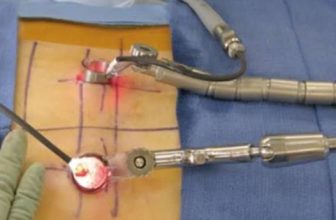
Both procedures are usually completed within a short period and require only small skin incisions, resulting in minimal tissue damage and quicker recovery.
Recovery Time After the Procedure
One of the greatest advantages of vertebroplasty and kyphoplasty is the relatively fast recovery compared to traditional spine surgery. Many patients experience noticeable pain relief within the first 24 to 48 hours after treatment, while others continue to improve gradually over several weeks.
Most seniors can begin walking on the same day or the following day, depending on their overall health and the doctor’s recommendations. Normal daily activities can often be resumed within a few days, although strenuous lifting and excessive bending should be avoided during the early recovery period.
Physical therapy may be recommended to improve strength, flexibility, and balance while reducing the risk of future falls. Long-term recovery also includes osteoporosis management through medication, nutrition, vitamin D, calcium supplementation, and regular weight-bearing exercise under medical supervision.
Safety of Vertebroplasty and Kyphoplasty in Elderly Patients
Modern minimally invasive techniques have made these procedures highly effective for appropriately selected patients. Studies have shown encouraging results regarding Vertebroplasty and Kyphoplasty recovery time in the elderly, particularly when performed by experienced spine specialists using advanced imaging guidance.
The procedures generally involve minimal blood loss, shorter hospital stays, and lower complication rates compared to conventional open spine surgery. Since only small incisions are required, elderly patients often experience less postoperative discomfort and faster rehabilitation.
However, careful patient selection remains essential. A thorough medical evaluation helps determine whether the fracture is suitable for these procedures and whether other underlying conditions require additional treatment.
Choosing the Right Specialist for Spine Fracture Care
Successful treatment depends not only on the procedure itself but also on accurate diagnosis and comprehensive patient care. Experienced spine specialists evaluate the patient’s overall health, bone quality, fracture pattern, neurological status, and future fracture risk before recommending the most appropriate treatment.
Many patients seeking Osteoporotic spine fracture surgery India choose specialized spine centres equipped with advanced imaging technology, minimally invasive surgical facilities, and multidisciplinary rehabilitation services. This integrated approach ensures that both the fracture and the underlying osteoporosis are effectively managed.
Conclusion
Spinal compression fractures can significantly impact the health and independence of elderly individuals, but modern treatment options offer excellent hope for recovery. Vertebroplasty and kyphoplasty provide minimally invasive solutions that stabilize fractured vertebrae, relieve pain, and promote faster rehabilitation with minimal disruption to daily life.
With timely diagnosis, expert medical care, and appropriate osteoporosis management, most seniors can experience substantial pain relief and improved mobility. Consulting an experienced spine specialist ensures a personalized treatment plan that supports both immediate recovery and long-term spinal health, helping patients maintain an active and comfortable lifestyle.