Understanding Spine Tumors
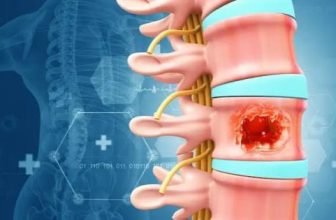
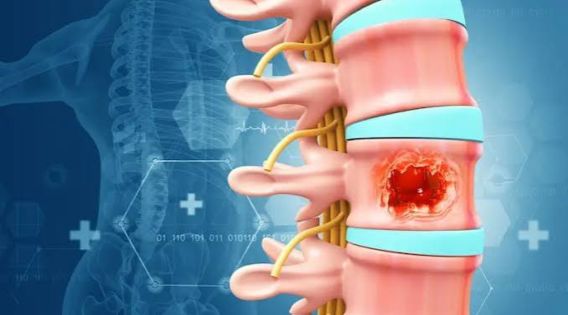
Spine tumors are abnormal growths that develop within or around the spinal cord, vertebrae, or surrounding tissues. They may be benign or malignant, but even non-cancerous tumors can become serious when they compress the spinal cord or nearby nerves. Symptoms can include persistent back pain, weakness, numbness, difficulty walking, or changes in bladder and bowel control. Early diagnosis is essential because timely intervention can help prevent permanent neurological damage.
Advanced Diagnosis and Treatment
Modern medical technology has significantly improved the diagnosis and management of spinal tumors. MRI and CT scans help specialists determine the tumor’s location, size, and relationship with the spinal cord and nerves. Depending on the type and position of the tumor, treatment may involve careful monitoring, medication, radiation therapy, chemotherapy, or surgery. Doctors determine the right approach after evaluating the patient’s symptoms, imaging results, overall health, and tumour characteristics. Advanced diagnostic facilities and multidisciplinary medical teams increasingly support spine tumor treatment in India.
Why Specialist Care Matters
Spinal tumor surgery requires exceptional precision because the spinal cord and nerves are highly sensitive structures. A specialist must carefully balance complete or maximum safe tumor removal with preservation of neurological function. When surgery is recommended, modern techniques and intraoperative monitoring can help surgeons operate with greater accuracy and safety. Patients looking for the best spine neurosurgeon in Kolkata should consider experience in complex spinal conditions, access to advanced technology, and a treatment approach focused on individual patient needs.
Spine Tumor Surgery in Kolkata
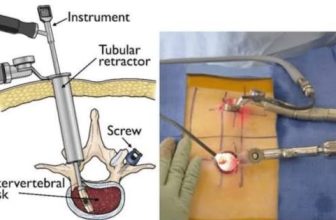
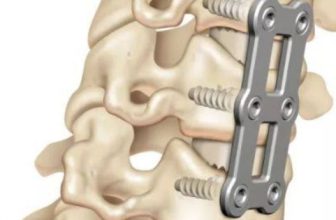
Kolkata has developed into an important centre for advanced neurosurgical and spinal care, offering access to experienced specialists and modern hospitals. spine tumor surgery in Kolkata. May be recommended when a tumor is causing significant spinal cord compression, neurological symptoms, instability, or progressive pain. Surgical techniques vary according to the tumor’s location and nature. In selected cases, minimally invasive approaches may be considered to reduce tissue disruption and support recovery, while complex tumors may require more extensive procedures.
Recovery and Long-Term Care
Recovery after spinal tumor surgery depends on several factors, including the tumor type, location, extent of surgery, and the patient’s neurological condition before treatment. Rehabilitation, physiotherapy, regular imaging, and follow-up consultations can play an important role in recovery and long-term monitoring. Patients should also understand that outcomes differ from person to person. While treatment can effectively control or remove many tumors, the possibility of recurrence depends on the specific diagnosis and treatment plan.
Rehabilitation and Follow-Up
Following surgery, a structured recovery plan can help patients gradually return to their daily activities. Depending on individual needs, rehabilitation may focus on improving strength, balance, mobility, and coordination. Regular follow-up appointments allow doctors to monitor healing and detect any changes at an early stage. Maintaining communication with the treating medical team and following recommended lifestyle and rehabilitation measures can support long-term recovery and overall quality of life.
A Hopeful Path Forward
A diagnosis of a spinal tumor can understandably create anxiety, but advances in neurosurgery have opened new possibilities for effective management and improved quality of life. The goal of treatment is not simply removal of the growth but also protection of neurological function and the patient’s long-term well-being. With accurate diagnosis, personalized planning, and expert surgical care, many patients can achieve meaningful improvement. Discussing the cure of spine tumors requires understanding that outcomes depend on the tumor’s type, stage, location, and response to treatment; therefore, an experienced specialist evaluation is essential for choosing the safest and most appropriate path forward.
Conclusion
Spine tumors require timely diagnosis, specialized expertise, and a carefully planned treatment approach. With advancements in neurosurgery, imaging, surgical techniques, and rehabilitation, patients today have access to safer and more effective treatment options. Choosing an experienced spine tumor specialist can make an important difference in achieving the best possible outcome while protecting spinal cord and nerve function.