

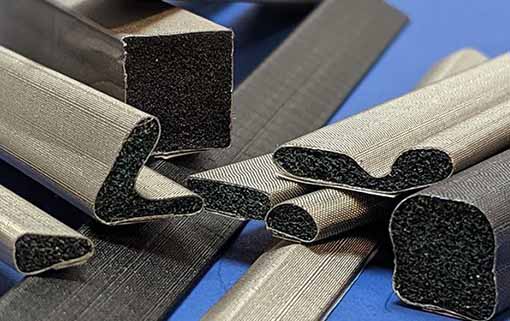
Die cutting, a process known for its precision and adaptability, has carved a niche across a myriad of industries. This technique, which utilizes sharp steel blades formed into specific patterns or dies, excels in cutting materials into exact shapes and sizes. As demands for intricate designs and durable materials rise, industries leverage die cutting to enhance product functionality and appeal. From handling intricate products like Mylar sheets to robust materials like conductive foam, the capabilities of die cutting continue to expand.
The Positive Impacts of Die Cutting across Sectors
One of the remarkable attributes of die cutting is its impeccable precision and consistency. This characteristic is crucial in industries where exact specifications are paramount. For example, in electronics, where components like EMI Gaskets and Thermal Gap Pads must match precise contours and dimensions to ensure efficacy, die cutting is indispensable. The precision ensures high-quality, repeatable results crucial for mass production without compromising performance.
Materials like Conductive Foam, used in packaging and product assembly for electronics, benefit immensely from die cutting. This foam not only helps in safeguarding delicate components against static and shock but also needs to be tailored to fit various configurations, which die cutting accomplishes with finesse. Similarly, Thermal Conductive Silicone and EI Shielding Foam also rely on die cutting for creating specific shapes that fit perfectly within electronic setups, enhancing device performance and longevity.
In the automotive sector, die cutting plays a pivotal role in material fabrication. Materials such as acrylic foam tape, used for vehicle assembly, require high-level cutting techniques that can only be achieved through die cutting. This ensures strong bonding and seamless fit within parts, contributing to the vehicle’s overall durability and performance.
Die cutting also finds significant application in the medical industry. It is used for cutting and shaping materials used in creating advanced wound care solutions. The ability to work with different materials, such as anti static conductive foam or conductive black foam, means products can be tailored to meet the unique needs of medical facilities, offering solutions that enhance patient care.
Skyfie Technology exemplifies the innovation within die cutting through its use of semi-solid-state battery technology in power banks. This pioneering approach not only demonstrates the adaptability of die cutting but also its role in facilitating emerging technologies. By employing die cutting, Skyfie ensures components like ESD conductive foam are perfectly incorporated into their designs, enhancing both safety and efficiency in mobile power solutions.
Relevance of Die Cutting to Modern Material Science
The evolution of materials science further underscores the importance of die cutting in contemporary manufacturing and product design. Materials like Mylar sheets and conductive black foam are becoming increasingly complex and functionality-driven. Die cutting not only allows for these materials to be shaped with high precision but also ensures the integrity and performance characteristics are maintained or enhanced in the final product.
Further Reading on Material Technologies
To understand more about materials such as polyurethane foam, which are often used in conjunction with die cutting, one can visit Wikipedia for detailed scientific insights and applications (https://en.wikipedia.org/wiki/Polyurethane_foam).
Embracing the Future with Die Cutting
The versatility and efficacy of die cutting make it an indispensable method in modern manufacturing landscapes. As industries continue to innovate and push the boundaries of what is possible in manufacturing and product design, tools like die cutting will undoubtedly play a crucial role in shaping the future. By enabling precise, efficient, and quality cuts across various materials, die cutting not only supports but drives innovation across an array of sectors.


