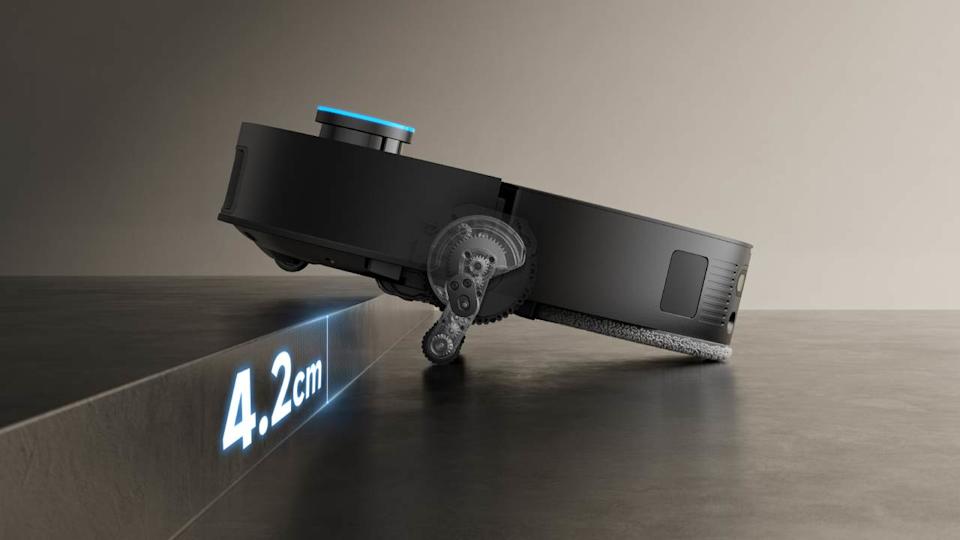
It seems like a scene from a slapstick comedy: a high-tech robot vacuum tumbling down the stairs, yet it’s no laughing matter for the owners who shelled out $700 for a Dreame robot vacuum only to find it hitting the bottom in a way that wasn’t part of the cleaning service. This real-world folly not only highlights the struggles consumers face but also uncovers deeper issues within modern robot design that the vacuum industry must address.
A user recently shared a tale of frustration on various online communities, recounting that their Dreame robot vacuum fell down the stairs despite the touted sophisticated mapping and obstacle avoidance technology. In a mere three weeks of ownership, the Dreame managed to fall twice, not just once—a performance lapse that’s problematic for both the owner and the reputation of robot vacuums.
In terms of price, robot vacuums like the Dreame aren’t typically casual purchases. They are investments expected to deliver convenience with their ability to learn and navigate home spaces seamlessly. Promising efficient mapping, speed, and a quiet operation, the Dreame seemed to check many boxes for a perfect robotic housekeeper. However, user comments reveal a critical oversight—the inability to stay the course on elevated terrain without dramatic stumbles.
Robot vacuums, in general, are meant to be self-reliant helpers around the house, reducing the effort needed to maintain clean floors. But when they become a source of anxiety over safety, they lose their allure significantly. While setting up no-go zones or barriers might seem like a straightforward solution, it doesn’t satisfy everyone. Owners of earlier models like the j7 note that they didn’t need such measures, and they expect similar intuitiveness from their current machine.
Robot vacuums must learn to integrate features that accommodate varying environments more dynamically. The repeated incident of the Dreame falling down the stairs underscores a particular design flaw: a lack of reliable edge detection. To truly serve its purpose, a robot vacuum needs to anticipate danger zones without fail, a task that modern AI and sensory technology should be able to manage.
But the tribulations don’t end at the hardware design. The customer support experience proves equally exasperating, with the Dreame user struggling to get timely and consistent solutions. They found themselves plunged into a bureaucratic abyss, waiting on “advanced” team approval and strengthening a perception of a support system ill-equipped to handle recurring issues, which irks users looking for quick resolutions.
The situation leaves users seeking alternatives and spurs important conversations about what buyers should expect from cutting-edge home tech. The marketplace is brimming with numerous brands that boast varying levels of sophistication. Drawing insights from peer reviews and expert critiques might offer paths to more reliable options. Ensuring that customer service parallels product quality is equally critical.
What Dreame’s stumbles reveal about robot design is a call for manufacturers to refine their approach—ensuring that user safety, alongside efficient cleaning, becomes central to their development. It’s imperative to blend convenience with accountability, crafting smart devices that evolve to meet consumer expectations reliably.
For companies, offering improved products means listening and responding constructively to robot vacuum comments. Innovating past control setups to include integrated safety features that effortlessly map household landscapes is essential. Customer feedback shouldn’t just be viewed as criticism but as vital data that can guide future product improvements.
For those who find themselves disheartened, the journey isn’t at a dead end. There remains a world of potential in automation, where failing models push the industry towards creating solutions that are smarter and safer.
Plunge into the world of Dreame technology here: https://www.dreametech.com/
Customers are looking for reliability and effectiveness above all. With thoughtful lessons drawn from existing design failures, the realm of home automation can continue advancing towards a future where robots clean dishes without breaking them and conquer heights without succumbing to them.